|
|
|
|
| |||||||||
 |
|
| Fresh air, country pace, simple living, safe family atmosphere, knowing most folks, comfort and feeling you can really do something on a small scale in schools and community. | |
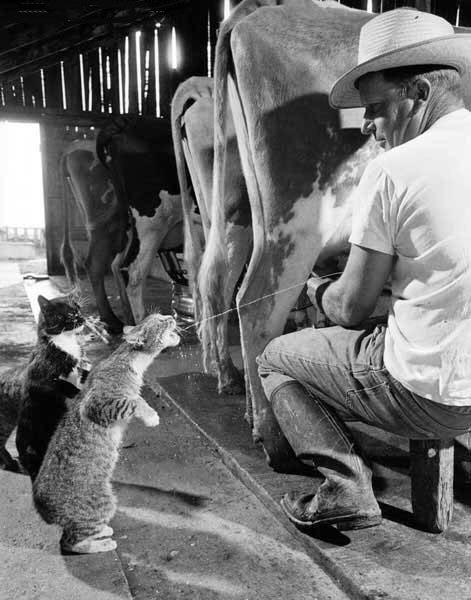
They say, 'You can't get rich in a small town... Everyone is watching." If you like the honesty of this sort of living, and the intimacy of knowing everyone in town, small town living is for you. And, if a professional moves in, it will take just 6 months for all of the above events to happen to you. You got to love it, because the sweet quality of life is worth all of that. Yet, how do we translate the complicated and seemingly distant Ethics Codes to the rural practice? It may seem impossible, but don't rural people deserve good care and qualified local practitioners to provide services for them? |
 |
The Country Doctor? Working long hours, a solid community servant, accepting chickens for payment?
The Family Practitioner? Seeing passels of kids and family members rotating through the office?
Deanna Troy? Psychologist on the Starship Enterprise? An embedded colleague and a confidant?
Freud? Blank slate - Tabula Rasa? No personal information available?
Clark Kent? Mild mannered and unnoticed by day, but in that little phone booth, transforms to Super-therapist?
The Hippie? Take me as I am - rebel and provider known to all?
The Urban Doc? An anonymous life - eating out and buying Lattes?
The Volunteer Fireman? Jumping out of community activities to put out emotional fires?
The Juggler? Never let them see you sweat, as you juggle all aspects of your life in the public's eye?
Ethics - a tension of directives, with operator variables included.
Play the 'Match Game' ~
Folks, on the show, Gene Rayburn asks the question of his panel and studio
audience -
So, let's see what our own audience says... First, the mood
music ~
|
Click on the little play triangle for music |
Ethical ________ |
And - Next question - What are your operator variables?
...More in this later.
The Ethics Code largely provides guidance and a framework for professional conduct and decision making. Expectations are defined.
Very few specific outright prohibitions are referenced in the Code. Yet these are absolute when mentioned. Examples are sexual boundary violations and the exploitation of patients.
The Codes previously seemed to expect that psychologists would have no other knowledge or interactions with their patients. The current Code places fence posts to assist the provider to define their field of practice. Some particular code items specifically come into play in the rural setting:
|
Dr Deborah Warner PLLC assumes responsibility for the content of this
training. Dr Deborah Warner may be reached at 603-444-1512 in Littleton, NH All material copyrighted ©2007 Dr Deborah Warner PLLC. All rights reserved. |